
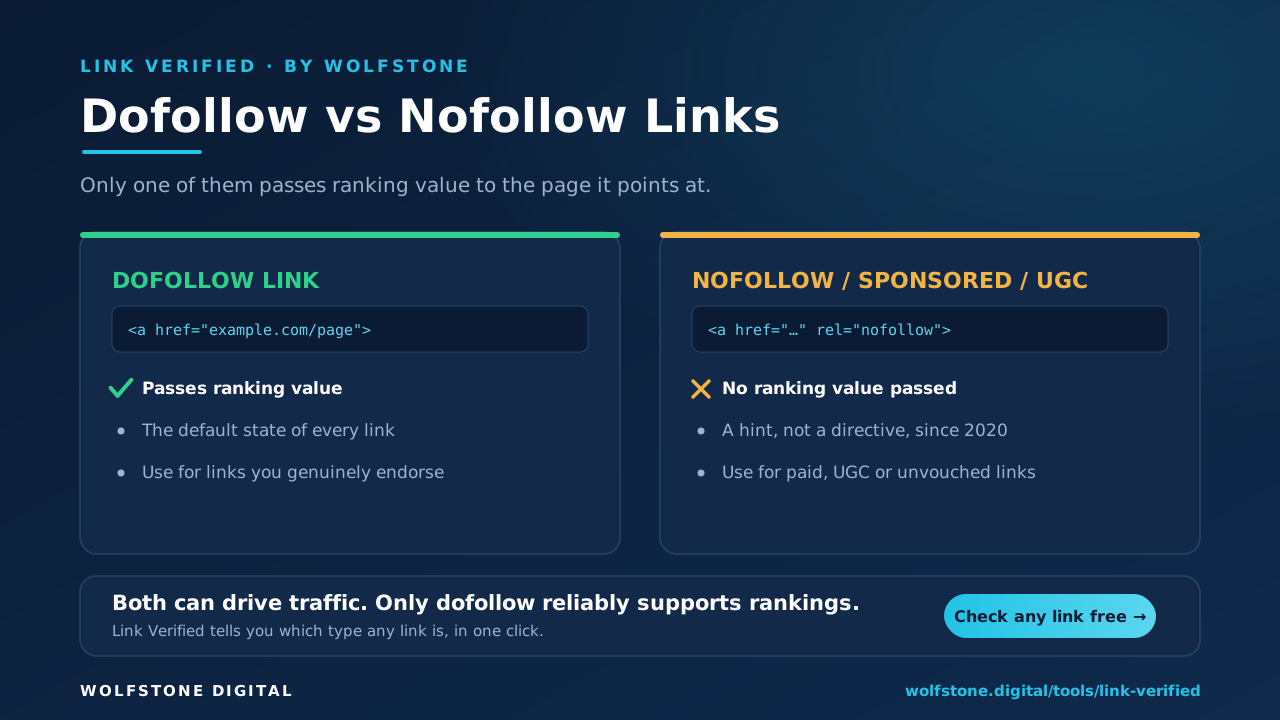
The short answer: a dofollow link passes ranking value to the page it points at. A nofollow link carries a rel attribute telling search engines not to pass that value. Both send referral traffic, but only dofollow links reliably help you rank. Since 2020 Google treats nofollow as a hint rather than a hard rule.
That single distinction shapes how much a backlink is worth, and it is the first thing to understand before you build, buy or audit links. This guide explains both link types in plain terms, what rel="sponsored" and rel="ugc" add to the picture, and whether nofollow links still help your SEO. Where it matters we link straight to Google’s own documentation, since the rules here come from Google rather than from opinion.
What is the difference between a dofollow and a nofollow link?
A dofollow link passes ranking value, sometimes called link equity, to the page it points to, which can help that page rank. A nofollow link includes a rel attribute telling Google not to pass that value. Both can still send referral traffic, so the difference is about ranking signals, not whether the link works for a reader.
In practice that one attribute is the whole story. A plain link is dofollow by default, and a link only becomes nofollow when someone adds the attribute. Google sets out exactly how this works in its Qualify outbound links documentation.
What is a dofollow link?
A dofollow link is an ordinary link with no rel attribute holding it back, so it passes ranking signals to the destination. It is the link type that supports your SEO, and the default state of any link unless a publisher changes it.
What a dofollow link looks like in HTML
A dofollow link is just a standard anchor tag:
<a href="https://example.com/page">anchor text</a>There is no special attribute to add. If you see no rel value, or only values unrelated to following such as rel="noopener", the link is dofollow. Working out how much of your profile is dofollow, and how much of it is worth anything, is what a backlink audit is for.
Why dofollow links matter for SEO
Google uses links to discover pages and to help judge their relevance and value, which is why dofollow links from relevant, trusted sites are worth pursuing, and what our backlink building service is built around. Google’s link best practices explain that links are how Google finds and understands the relationships between pages. A dofollow link is the only type that passes that signal in full.
What is a nofollow link?
A nofollow link includes rel="nofollow", which tells Google not to associate your site with the linked page or pass ranking value to it. It still works as a normal link for anyone clicking it, so it can drive traffic, but it is not designed to move rankings.
What a nofollow link looks like in HTML
<a href="https://example.com/page" rel="nofollow">anchor text</a>The rel="nofollow" is the flag. The same pattern applies to the two newer attributes below.
Why nofollow exists
Google introduced nofollow on 18 January 2005, in collaboration with Yahoo and MSN, to fight comment spam. The idea was to let site owners flag links they had not vouched for, such as those dropped into blog comments, so spammers gained nothing from posting them (Google, Evolving nofollow).
rel=“sponsored” and rel=“ugc”
On 10 September 2019 Google added two more attributes. rel="sponsored" marks links created through advertising, sponsorship or other paid arrangements, and rel="ugc" marks links in user-generated content such as comments and forum posts. Google says you can combine values, and that the older rel="nofollow" is still fine to use (Google, Qualify outbound links).
Nofollow is now a hint, not a directive
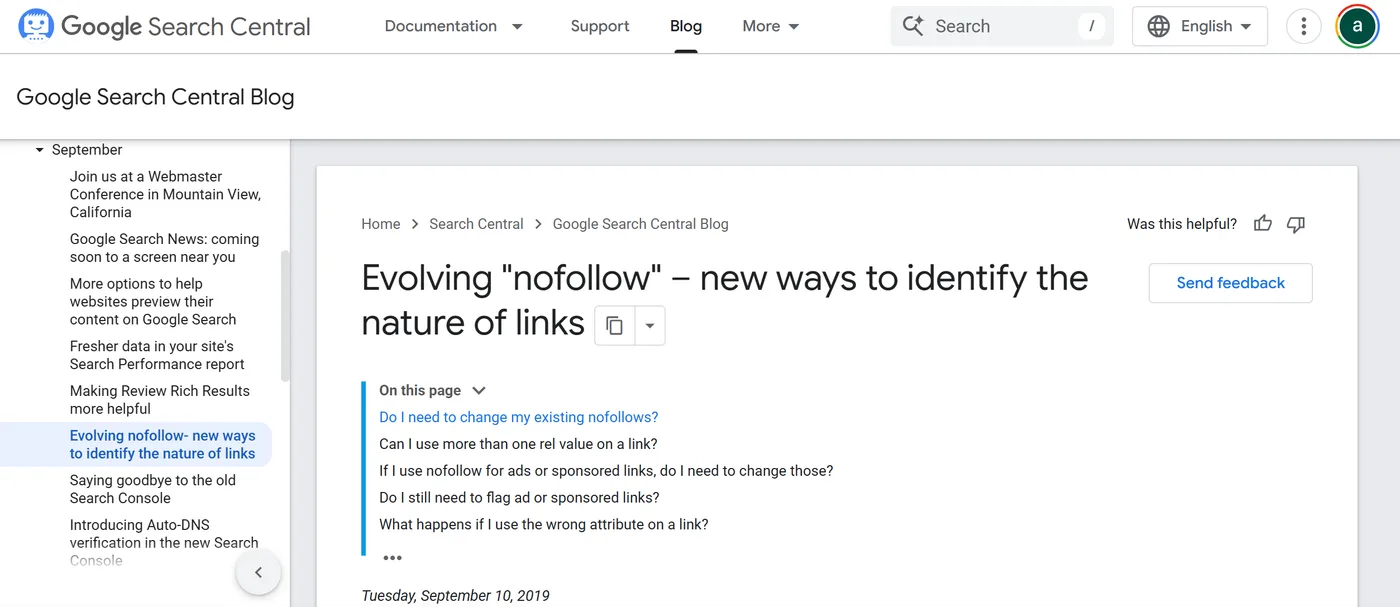
This is the part most “dofollow vs nofollow” explainers get wrong, and it matters. When Google announced sponsored and ugc in 2019, it also said all three attributes would be treated as hints rather than strict instructions, so Google may still consider these links when analysing the web. The change applied to ranking from the September 2019 announcement, and to crawling and indexing from 1 March 2020 (Google, Evolving nofollow).
In day-to-day terms, treat a nofollow link as one that will not reliably pass ranking value. The hint model means Google reserves the right to use the information, not that nofollow links now pass equity by default. The safe planning assumption has not changed: chase dofollow, value nofollow for the traffic and exposure it brings.
Do nofollow links help rankings?
Not directly. A nofollow link will not reliably pass ranking value, so you should never plan a campaign expecting one to lift your positions. That is the honest answer, and it is the one to plan around.
They are still far from worthless, though, and here is the nuance most guides skip. Because nofollow has been a hint since 2020, Google is free to consider these links when it analyses the web, it simply does not commit to passing equity through them. On top of that, nofollow links do three jobs that show up in your results even when they pass nothing:
The referral traffic and brand case
A nofollow link from a busy, relevant page can send real visitors and put your brand in front of a new audience, neither of which depends on passing ranking value. Many of the most valuable places to be linked, including large news sites and community platforms, apply nofollow or ugc by default, so refusing nofollow links would mean turning down genuinely useful exposure.
Why a natural profile has both
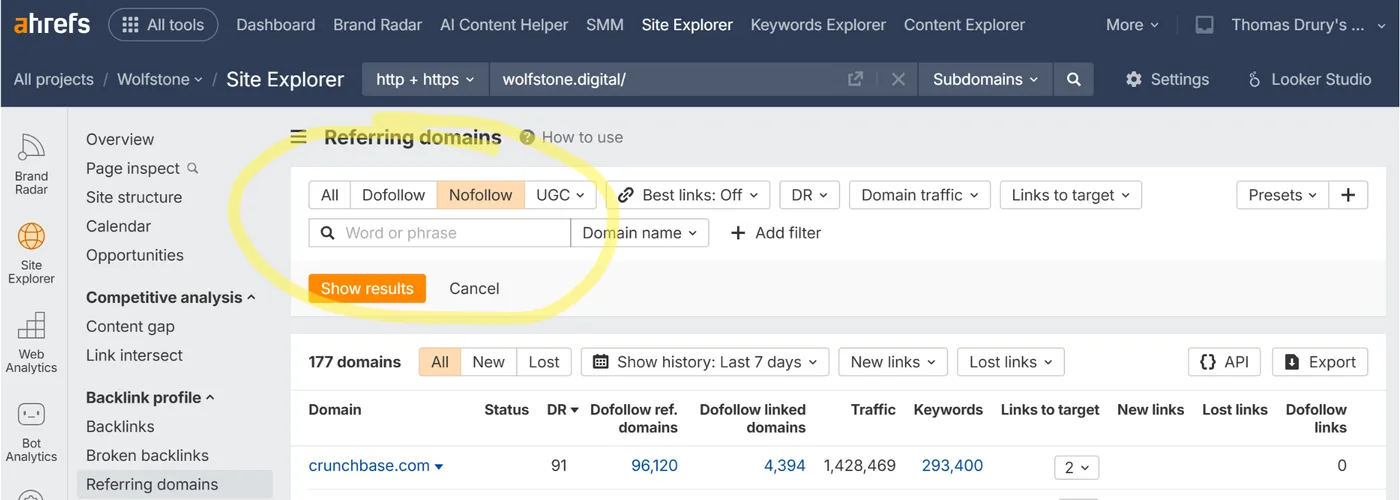
Real link profiles are mixed, not pure. Ahrefs found that 10.6% of all backlinks to the top 110,000 sites are nofollow, with much smaller shares using ugc (0.44%) or sponsored (0.01%) (Ahrefs, SEO statistics). A profile made up only of dofollow links looks less natural than one with a sensible spread.
Nofollow links and AI answers
This is the part that has changed most recently. Assistants like ChatGPT, Perplexity and Google’s AI answers build responses from sources they retrieve and cite, and that retrieval does not run on the same rules as Google’s link graph. A mention on a busy forum thread or a major news page can feed an AI answer whether or not the link carries rel="nofollow". If you are working on AI search visibility, judging a placement purely on dofollow status is the wrong test: a nofollow mention in a source these engines actually read can be worth more than a dofollow link on a page nobody cites.
How to tell if a link is dofollow or nofollow
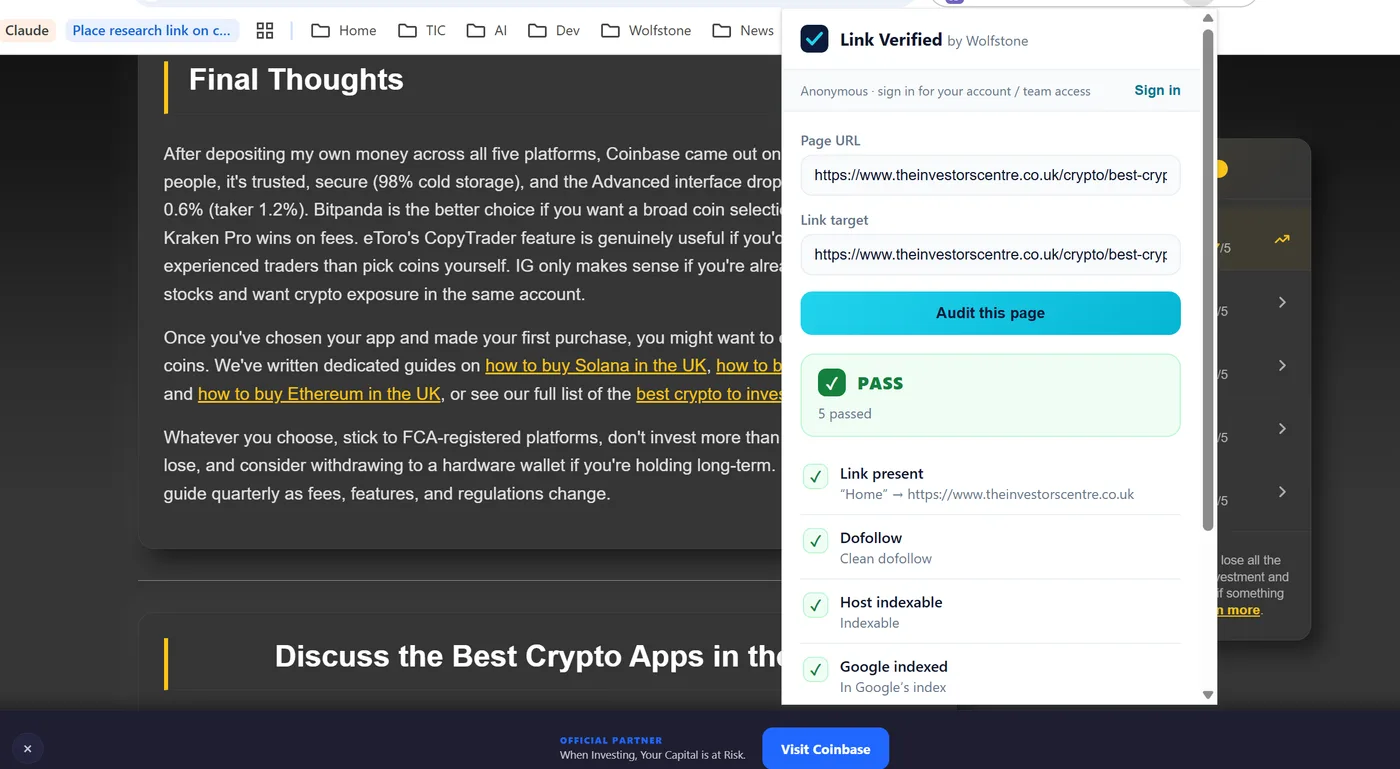
The fastest way is to run the link through a checker, because the rel attribute is only one of the things that decides whether a link is worth anything. Link Verified reads the rel attribute for you and, in the same pass, confirms the link is present on the page, that the page is indexable, that Google has actually indexed it, and how diluted the link is, then returns a single PASS, WARN or FAIL verdict.
Free tool · Link Verified
Is that link dofollow, and does it actually count?
Check the rel attribute, whether the page is indexed, and how diluted the link is, in one pass.
- Confirms the page is actually indexed by Google
- Checks present, dofollow, indexable and dilution too
- One click, instant PASS / WARN / FAIL verdict
- Free, no account, works on any page
The manual method: inspect the rel attribute
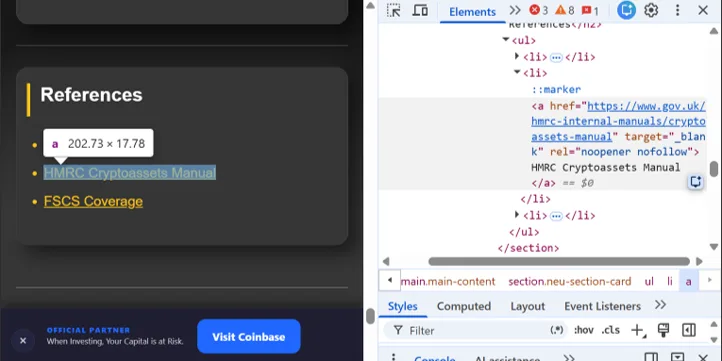
rel=“noopener nofollow” highlighted in the Elements panel.If you would rather look yourself, right-click the link, choose Inspect, and read the rel attribute on the anchor tag. No rel means dofollow; rel="nofollow", rel="sponsored" or rel="ugc" means it does not pass standard ranking value. This is fine for a single link, but it tells you nothing about whether the host page is indexed, which is the check most people skip. If you also want to estimate what a link is worth, our backlink value checker does that separately.
When should you use nofollow, sponsored or ugc?
Use rel="sponsored" for paid or affiliate links, rel="ugc" for links in user-generated content, and rel="nofollow" when you do not want to vouch for or pass value to a page. This is not just good manners: Google’s spam policies treat paid links that pass ranking credit as link spam, so paid placements need qualifying.
| Attribute | Passes ranking value? | Use it for |
|---|---|---|
| (none, dofollow) | Yes | Editorial links you genuinely endorse |
rel="sponsored" | No (hint) | Paid, affiliate or sponsored links |
rel="ugc" | No (hint) | Comments, forum posts, other user content |
rel="nofollow" | No (hint) | Any link you do not want to vouch for |
If you are vetting bought placements, our guide on verifying a guest post backlink walks through the full check, dofollow status included.
How we audit a client link profile
Dofollow status is the first filter we apply, not the last. When we take on a link profile, we work through four questions in order, because a link only counts if it survives all four.
- Is the link actually there? Placements get edited, redesigned and quietly removed, especially the paid ones. A link you paid for six months ago is not a link you have today unless you have checked.
- Is it dofollow? This is where most audits stop. It is a genuine filter, but on its own it tells you very little.
- Can the page be indexed, and is it actually in Google’s index? This is the check that catches the most waste. A perfect dofollow link on a page carrying
noindex, blocked in robots.txt, or simply never indexed passes nothing at all. We see it constantly on cheap guest-post inventory, which is why we wrote a separate guide on checking whether a backlink is indexed. - How diluted is it? One link among four outbound links is a different asset from one among ninety.
Anything that fails step three or four gets treated as a brand mention rather than a ranking asset, and we plan the campaign accordingly. That is also why our digital PR work targets placements on pages that get read and cited, rather than chasing dofollow status alone.
Dofollow vs nofollow at a glance
In one line: dofollow links pass ranking value and are the default; nofollow, sponsored and ugc links carry a rel attribute that tells Google not to pass that value, though all three are now hints rather than hard rules. Both types can drive traffic, but only dofollow links reliably support rankings.
Dofollow and nofollow FAQs
Are LinkedIn links dofollow? No. LinkedIn applies nofollow to outbound links, including the website link on your profile and links posted in updates, so they do not pass ranking value. They can still send real traffic and help people find you, which is reason enough to keep them accurate.
Are affiliate links dofollow or nofollow?
Affiliate links should be qualified, normally with rel="sponsored" (rel="nofollow" is still accepted). Google’s spam policies treat paid links that pass ranking credit as link spam, so leaving affiliate links as plain dofollow is a risk to the site publishing them.
Do profile links on other sites pass value? Usually not. Most directory, forum and portfolio profiles apply nofollow or ugc to the website field, and many of those profile pages are never indexed, so they pass nothing twice over. Treat them as brand presence, not link building.
Is a dofollow link better than a nofollow link? For rankings, yes, because only dofollow links reliably pass value. For traffic, brand awareness and being cited in AI answers, a nofollow link from the right page can be just as useful.
Are internal links dofollow by default?
Yes. Any link is dofollow unless someone adds a rel attribute, so your internal links pass value around your site by default.
Does Google count nofollow links? Since March 2020 Google treats nofollow as a hint, so it may consider these links, but it does not reliably pass ranking value through them. Plan as though they do not.
How many nofollow links is normal? There is no target, but a natural profile contains a mix. For context, Ahrefs found 10.6% of backlinks to the top 110,000 sites are nofollow.
Is rel="nofollow" the same as noindex?
No. A rel attribute controls whether a link passes value, while noindex controls whether a page can appear in Google’s index. They are different controls, which is why a page can carry a dofollow link and still pass no value if it is not indexed. Here is how to check if a backlink is indexed.
Free tool · Link Verified
Know what a link is worth before you rely on it
Present, dofollow, indexable, indexed and diluted, checked in one click in your browser.
Related articles